
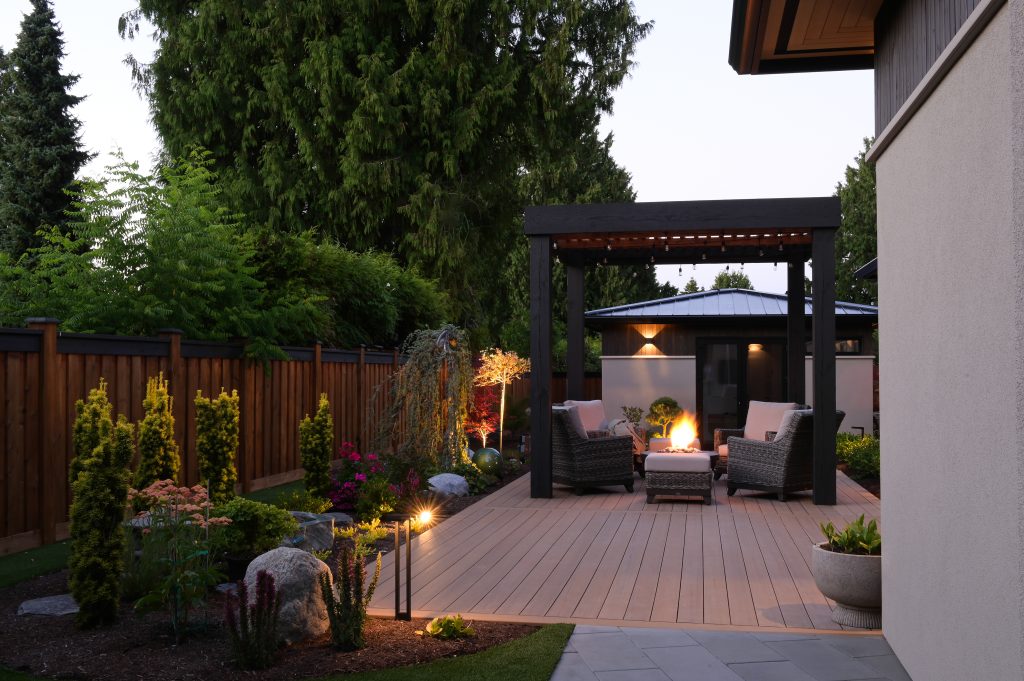
When homeowners invest in a new paving stone patio, they naturally focus on the finished product. The colour of the pavers, the laying pattern and the overall design are exciting decisions that help bring an outdoor living space to life.
However, the most important part of any patio is the part you’ll never see.
A beautiful patio is only as strong as the foundation beneath it. No matter how expensive the paving stones are, they cannot compensate for poor excavation, inadequate compaction or improper drainage. In our experience, most patio failures are not caused by the pavers themselves—they’re caused by shortcuts taken below the surface.
If you want a patio that remains level, drains properly and performs for decades, proper base preparation is essential.
Why Proper Patio Base Preparation Is So Important
A paving stone patio is a structural system, not simply decorative stone laid on the ground.
Every layer beneath the pavers plays an important role in supporting weight, preventing movement and managing water. When each component is installed correctly, the patio remains stable through years of use and British Columbia’s changing weather conditions.
Common issues caused by poor base preparation include:
- Uneven or sunken pavers.
- Standing water after rainfall.
- Loose or shifting stones.
- Trip hazards.
- Weed growth between joints.
- Costly repairs that could have been avoided with proper installation.
While these problems may take several years to develop, they almost always begin with deficiencies beneath the surface.
Step One: Proper Excavation
Every successful patio begins with proper excavation.
The existing soil must be removed to an appropriate depth so a stable foundation can be built. Every property is different, and the required excavation depth depends on soil conditions, drainage requirements and the intended use of the patio.
Reducing excavation to save time or lower costs is one of the biggest mistakes a contractor can make. Once the patio is installed, correcting an inadequate foundation usually requires removing and rebuilding the entire surface.
Step Two: Building a Stable Foundation
Once excavation is complete, the foundation is constructed using carefully selected base materials.
The purpose of the base is to distribute weight evenly while creating a stable platform capable of supporting the finished patio for decades.
Simply placing gravel into the excavation is not enough. The base must be installed correctly and prepared with long-term performance in mind.
Step Three: Proper Compaction
Compaction is one of the most critical steps in patio construction, yet it is also one of the least understood by homeowners.
Base material should be compacted in multiple lifts to create a dense, stable foundation. This process significantly reduces future settlement and helps the patio withstand everyday use, seasonal moisture changes and the freeze-thaw cycles experienced throughout British Columbia.
Without proper compaction, even premium paving stones cannot perform as intended.
Step Four: Drainage
Water is one of the biggest threats to any hardscape installation.
A properly constructed patio should allow water to move away from your home while preventing it from collecting beneath the paving stones.
Poor drainage can contribute to settlement, erosion and unnecessary stress on the foundation over time.
Every patio should be designed with drainage in mind before construction begins—not after problems develop.
Why Cheap Patio Installations Often Fail
When comparing quotes, it’s easy to assume every contractor builds patios the same way.
They don’t.
Lower prices are often achieved by reducing excavation, using less base material, rushing compaction or overlooking drainage details that homeowners never see.
Although these shortcuts reduce installation costs, they often lead to repairs that are far more expensive than building the patio correctly in the first place.
When evaluating contractors, ask questions such as:
- How deep will the patio be excavated?
- How will the base be prepared?
- How is the base compacted?
- How will drainage be managed?
- What steps are taken to minimize future settlement?
A professional contractor should be able to explain every stage of the construction process with confidence.
A Strong Foundation Creates a Patio That Lasts
Paving stones are the visible finish, but the real investment is everything beneath them.
A properly constructed base provides long-term stability, helps manage water, reduces maintenance and protects your investment for years to come.
At Coastal Shores Landscape Construction, we believe exceptional outdoor spaces are built from the ground up. Every patio begins with careful planning, quality materials and meticulous preparation beneath the surface because the work homeowners never see is often the work that matters most.
If you’re planning a new paving stone patio in Tsawwassen, Ladner, South Surrey, White Rock or the surrounding areas, we’d be happy to help you understand what goes into building a patio that’s designed to perform for decades.