
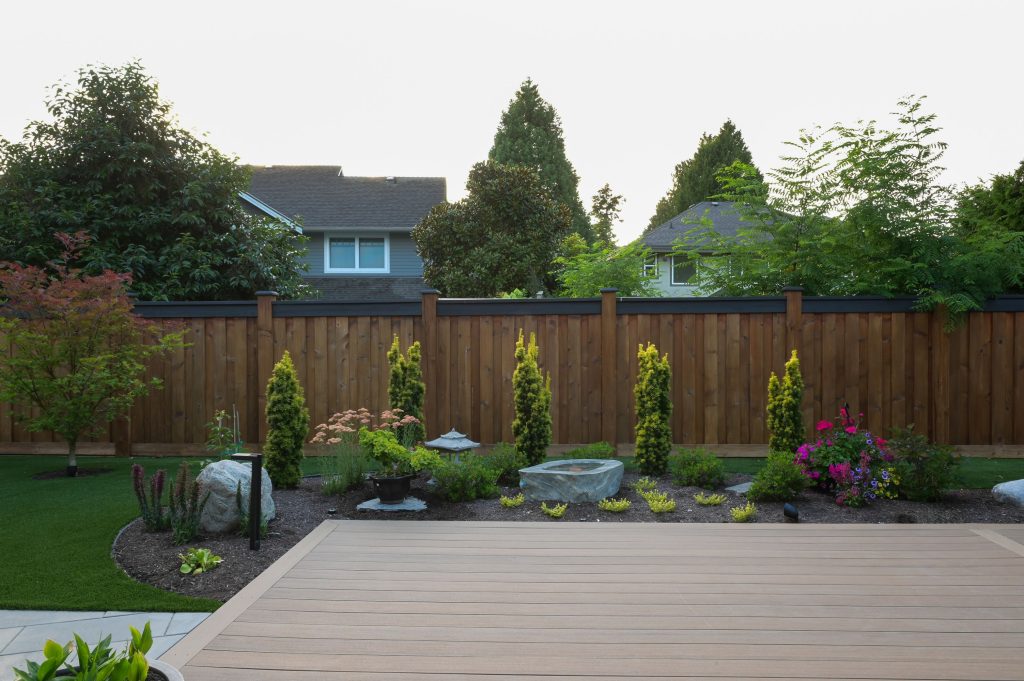
Water is one of the most destructive forces affecting any landscape. While most homeowners focus on the visible elements of their outdoor space, such as patios, lawns, retaining walls and gardens, poor drainage can quietly undermine everything beneath the surface.
Standing water, soggy lawns and erosion are more than just inconveniences. Left untreated, drainage problems can shorten the lifespan of hardscape installations, damage landscaping and even contribute to foundation issues around your home.
The good news is that most drainage problems can be identified early and corrected with the right solution.
Why Proper Drainage Matters
Every property needs a plan for managing water.
Rainwater should move away from your home in a controlled manner without collecting around patios, retaining walls, lawns or foundations. When drainage is overlooked during landscape construction, water will always find its own path—and that path is often exactly where you don’t want it.
Proper drainage protects your investment, extends the lifespan of your landscape and helps prevent expensive repairs in the future.
Common Signs of Poor Backyard Drainage
Drainage issues don’t always appear as large puddles after a storm. In many cases, the warning signs develop gradually.
Some of the most common indicators include:
- Standing water that remains long after rainfall.
- Soft or muddy sections of lawn.
- Water collecting against your home’s foundation.
- Erosion around garden beds or walkways.
- Patios or paving stones that begin to settle.
- Retaining walls showing signs of movement.
- Persistent moss or algae growth in certain areas.
If you’ve noticed any of these issues, it’s worth investigating before they become larger and more expensive problems.
What Causes Backyard Drainage Problems?
Every property is unique, but most drainage issues can be traced back to one or more underlying causes.
Improper Grading
The finished grade of your property determines how water moves during rainfall.
If the ground slopes toward your home or contains low areas where water collects, drainage problems become almost inevitable.
Proper grading is one of the most important elements of landscape construction.
Heavy Clay Soils
Many homes throughout the Lower Mainland are built on clay-based soils.
Clay drains much more slowly than sandy or granular soils, meaning water often remains near the surface for longer periods. Without proper grading and drainage systems, this can create persistent wet areas throughout the yard.
Inadequate Drainage During Construction
Many drainage problems begin long before homeowners notice them.
If patios, retaining walls or artificial turf are installed without considering water movement, the finished landscape may look beautiful while hiding problems beneath the surface.
Professional drainage planning should always be part of the construction process—not an afterthought.
Blocked Water Flow
Landscape features, fences, raised garden beds or previous renovations can unintentionally trap water if the property isn’t designed as a complete system.
Understanding where water enters, travels and exits a property is critical to creating effective drainage solutions.
Common Drainage Solutions
There is no universal solution for every property.
The best drainage system depends on your lot, soil conditions, existing landscape and the source of the problem.
Solutions may include:
- Professional regrading to improve surface water flow.
- Catch basins that collect and redirect water.
- French drain systems installed below ground.
- Downspout extensions that move roof runoff away from the foundation.
- Retaining wall drainage systems.
- Drainage rock beneath hardscape installations.
- Swales that naturally direct surface water across the property.
A thorough site assessment is the best way to determine which combination of solutions will provide long-term results.
Why Drainage Should Be Addressed Before Renovating
Many homeowners invest in a new patio, retaining wall or artificial turf without first addressing existing drainage issues.
Unfortunately, building over poor drainage rarely solves the problem.
Water continues to move beneath the surface, eventually leading to settlement, erosion or premature failure of the finished project.
Addressing drainage before construction helps protect every other investment made in your outdoor space.
Choosing the Right Contractor
When hiring a landscape contractor, don’t just ask about materials or design.
Ask how water will move across your property once the project is complete.
An experienced contractor should be able to explain grading, drainage systems and how each element of the landscape works together to manage water effectively.
These details may not be visible once construction is finished, but they often determine how well your landscape performs for decades.
Protect Your Landscape for Years to Come
Drainage is one of the most important—and most overlooked—parts of any landscape renovation.
When water is managed correctly, patios stay level, retaining walls remain stable, lawns stay healthier and your outdoor living space continues to perform as intended.
At Coastal Shores Landscape Construction, every project begins with careful planning below the surface. We believe exceptional landscapes aren’t just designed to look beautiful—they’re engineered to perform for decades.
If you’re experiencing drainage problems or planning a backyard renovation in Tsawwassen, Ladner, South Surrey, White Rock or the surrounding communities, we’d be happy to help you build an outdoor space that’s designed to stand the test of time.