
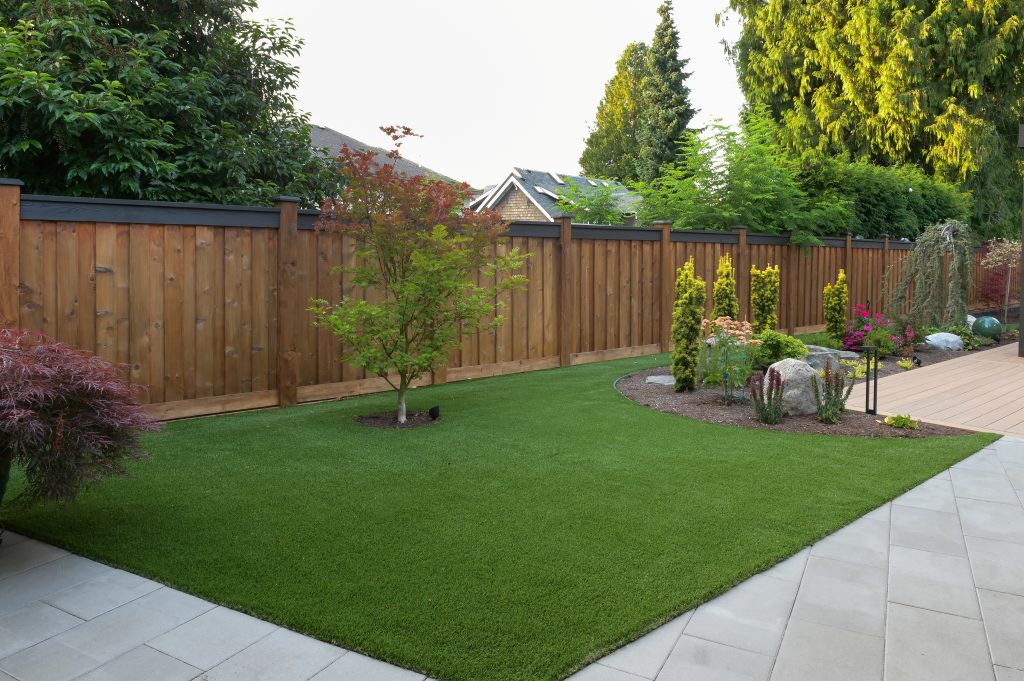
Many homeowners want to spend more time enjoying their backyard and less time looking after it.
That does not necessarily mean replacing the garden with paving or removing every plant.
A thoughtfully planned landscape can offer greenery, privacy and seasonal interest while keeping routine care manageable.
The starting point is deciding what maintenance you are comfortable doing—and designing around that honestly.
Define What Low Maintenance Means to You
Different households have different expectations.
You may enjoy tending a few garden beds but dislike mowing. You might be comfortable with seasonal pruning but want to reduce daily watering. Or you may travel frequently and need a yard that can manage periods without close attention.
Think about the jobs you would like to reduce, along with the parts of gardening you enjoy.
That gives the design a clearer direction than simply asking for a maintenance-free backyard. Every outdoor space needs some care, but the type and frequency of that work can vary considerably.
Choose Plants for the Space They Will Eventually Occupy
A plant’s size when installed tells only part of the story.
A shrub that fits neatly beside a walkway may grow across it. A hedge selected for quick privacy may eventually require more clipping than you expected.
Choosing plants with suitable mature dimensions can reduce the need for repeated pruning.
Growing conditions matter just as much. Sun exposure, soil, drainage and available moisture should influence plant selection.
Plants suited to their location are generally easier to manage than plants that need ongoing intervention to cope with the site.
Give Garden Beds a Clear Purpose
Garden beds can provide privacy, soften paving, frame a view or bring colour close to a seating area.
Giving each bed a purpose helps avoid a collection of small planting pockets that are awkward to maintain.
Consider how you will reach the plants, remove debris and care for the bed as it matures. Areas beside steps, walls and fences should remain accessible.
A simple planting layout with a considered mix of plants can still feel rich and inviting.
Use Mulch Thoughtfully
An appropriate mulch can help conserve soil moisture and reduce some weed growth.
It also gives planted areas a more consistent finish.
Mulch still needs attention over time. Leaves and debris collect, weeds can establish, and organic materials gradually break down.
The type, depth and placement should suit the plants and site. Mulch should not be piled against trunks, plant crowns or exterior walls.
It is one useful part of a maintenance plan, rather than a substitute for one.
Make Irrigation Easier to Manage
A well-planned irrigation system can reduce the work involved in watering and help deliver water where it is needed.
Different parts of the landscape may need different treatment. Lawn, established shrubs, new planting and shaded beds should not automatically receive the same watering schedule.
System design should reflect those differences, along with the property’s conditions.
Irrigation also requires seasonal adjustments, inspections and maintenance. An automatic system still needs to be managed, particularly as plants establish and local watering restrictions change.
Keep the Lawn That Earns Its Place
A lawn can provide valuable room for play, pets and informal use.
The question is how much lawn you need and where it works best.
Small, awkward strips or areas with difficult access can create mowing and edging work without adding much usable space. Deep shade or persistent drainage problems may also make healthy lawn difficult to maintain.
A clear, appropriately sized lawn area can be easier to care for than several disconnected patches.
If artificial turf is being considered, it should be assessed against the way the space will be used. It still needs cleaning and care, and factors such as drainage, surface temperature and pet use deserve attention.
Select Paving with Ongoing Care in Mind
Patios and walkways reduce the amount of planted ground, but they are not maintenance-free surfaces.
Paving can collect leaves, develop stains and require cleaning. Paving stone joints and edges may need attention over time.
Material selection should account for exposure, nearby trees, intended use and the appearance you are comfortable maintaining.
Proper installation and drainage help support performance, while a practical layout makes routine cleaning easier.
Avoid Making Everything Hard Surface
More paving does not automatically create a better backyard.
A large paved area can feel exposed if it lacks planting, shade or a comfortable sense of enclosure.
The amount of hard surface should follow how you plan to use the space. Leave enough room for furniture and movement, then consider where planting would make the yard more inviting.
A balanced landscape can be manageable without losing the qualities that make a garden enjoyable.
Plan for Maintenance Access
Easy access can make a noticeable difference to the time a yard takes to look after.
Consider how you will reach irrigation controls, clean drainage grates, prune hedges and move equipment through the property.
Avoid placing features where caring for them will require shifting furniture or stepping through delicate planting.
These practical decisions are easiest to address while the layout is being planned.
Think Beyond the First Season
New landscapes need care while plants establish.
Watering, weeding and monitoring are particularly important during that period. Maintenance needs then change as planting grows and the landscape settles into regular use.
Ask what the yard will require immediately after installation and what its longer-term care is likely to involve.
Clear expectations help you choose a landscape that fits the time and effort you want to put into it.
Create a Backyard You Enjoy Looking After
A manageable garden is one designed around your lifestyle.
The right combination of planting, lawn, paving and irrigation can reduce unwanted work while keeping the space green and welcoming.
At Coastal Shores Landscape Construction, we help homeowners consider how their outdoor space will function and how it will be cared for after construction is complete.
If you’re planning a backyard renovation in Tsawwassen, Ladner, South Surrey or White Rock, we’d be happy to discuss a landscape that suits both the way you live and the way you want to maintain it.